

The Village That Paints Its Doors: A Micro-Guide to Bario, Borneo
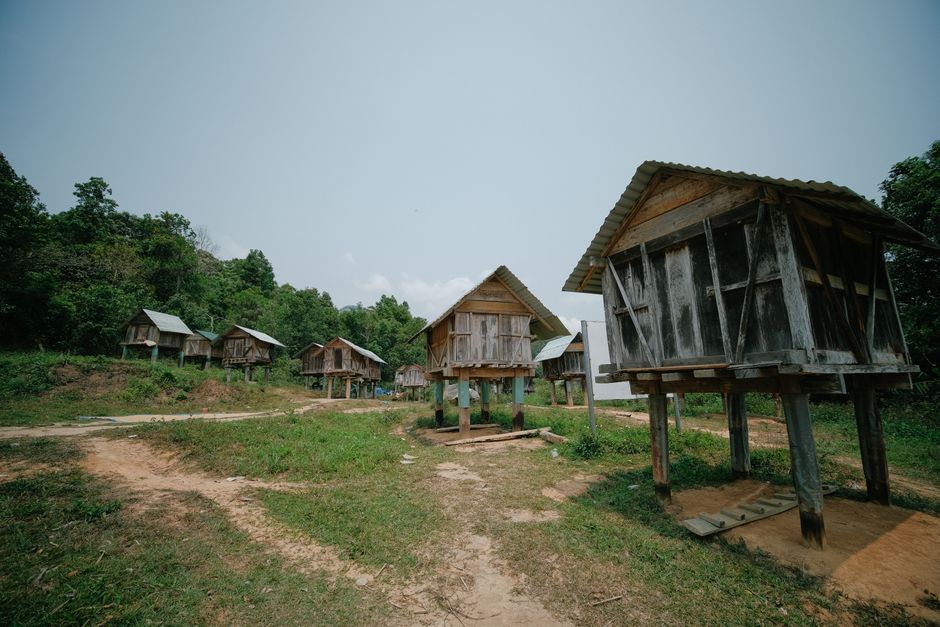
The flight to Bario is the kind you remember: a nineteen-seat Twin Otter threading between cloud-wrapped ridges, landing on a grass strip that looks more like a garden than an airstrip. There are no roads in. Everything — rice, fuel, passengers, the occasional motorbike — arrives by air or by foot along old jungle trails. And yet, walking through the village at dusk, the first thing you notice isn't the remoteness. It's the doors. Every longhouse door and every wooden front door in the village is painted a different color, a quiet riot of turquoise, marigold, oxblood, and lime against the weathered timber.
The tradition, as far as anyone will tell you, started with a single family who painted their door blue to welcome a daughter home from school. A neighbor painted theirs green the following month. Nobody organized it. Nobody keeps a registry. The colors simply accumulated, door by door, like a conversation carried on across decades. Ask three villagers how it began and you'll get three slightly different stories, which is half the charm.
Getting There and Settling In
MASwings operates small Twin Otter flights from Miri to Bario, usually once or twice a day depending on weather. Book well ahead — seats are limited and locals get priority. Flights can be cancelled for days when the cloud sits low, so build slack into your itinerary rather than treating Bario as a tight connection. There is no ATM, so bring enough cash for your whole stay. Guesthouses are simple family-run affairs; the one I stayed in had three rooms, a shared kettle, and a porch that faced the mountains.
Days here move slowly and that is the point. Mornings are for walking — the trails around the village pass through paddies and secondary forest, and if you're lucky you'll spot a hornbill or hear a gibbon somewhere far off. Afternoons often bring rain, which is a good excuse to sit on a porch with a thermos of locally grown Bario rice coffee (yes, coffee made from roasted rice — it's mild, nutty, and oddly addictive). Evenings, the village gathers in loose clusters, and someone will almost always invite you to join a meal of rice, wild fern, and whatever was caught or foraged that day.
What to Do (and What Not to Do)
The famous Bario salt springs are a half-day walk from the village, and the wet salt is still made the traditional way by a handful of families. Go with a local guide rather than trying to find it yourself; the trails fork constantly and the jungle has a way of looking identical in every direction. The prayer mountain hike takes a few hours and rewards you with a view over the whole plateau, weather permitting. Bring a light rain shell regardless of the forecast.
What not to do: don't treat the village as a photo set. Ask before photographing people, and don't wander into longhouses uninvited. The doors are painted for the people who live behind them, not for visitors. If you're lucky enough to be invited in, accept, sit on the floor, and let the conversation find its own pace. You'll leave with the color of that door stuck in your head for years.



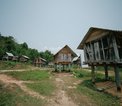
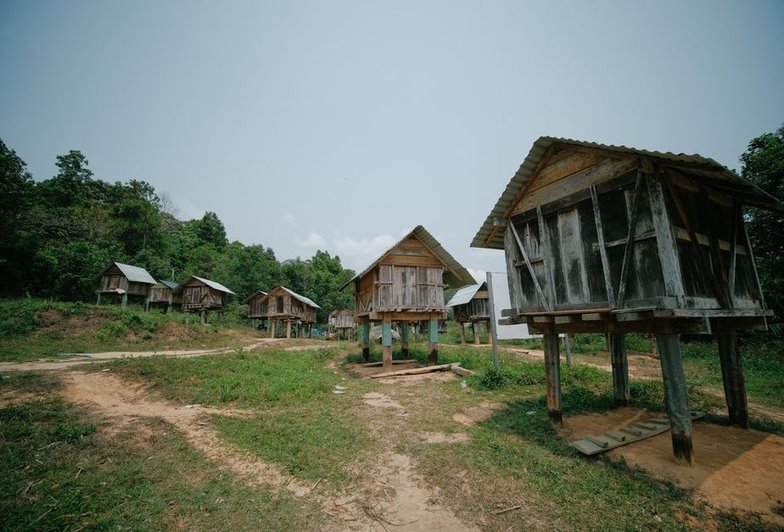
Deep in the Kelabit Highlands of Malaysian Borneo, a tiny village keeps a quiet tradition of painting every front door a different color.
In the Caucasus highlands of Georgia, medieval stone towers still stand watch over villages that see more snow than tourists.
Bolivia's Salar de Uyuni gets the crowds, but a smaller salt flat in the high Andes offers the same mirror effect with a fraction of the visitors.
Off the Kenyan coast, a small island with no roads, no cars, and no hurry offers a slower version of the Swahili coast.
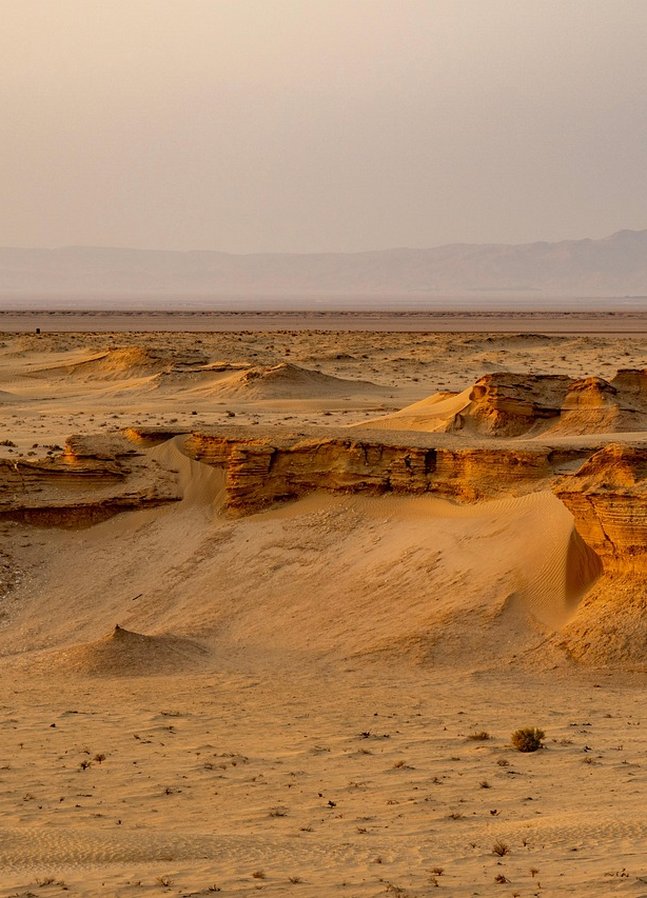
In a small Saharan oasis town, a hand-built library of old manuscripts has become an unlikely reason to make the long journey.