


The Fishing Village Time Forgot: A Micro-Guide to Porto Covo, Portugal
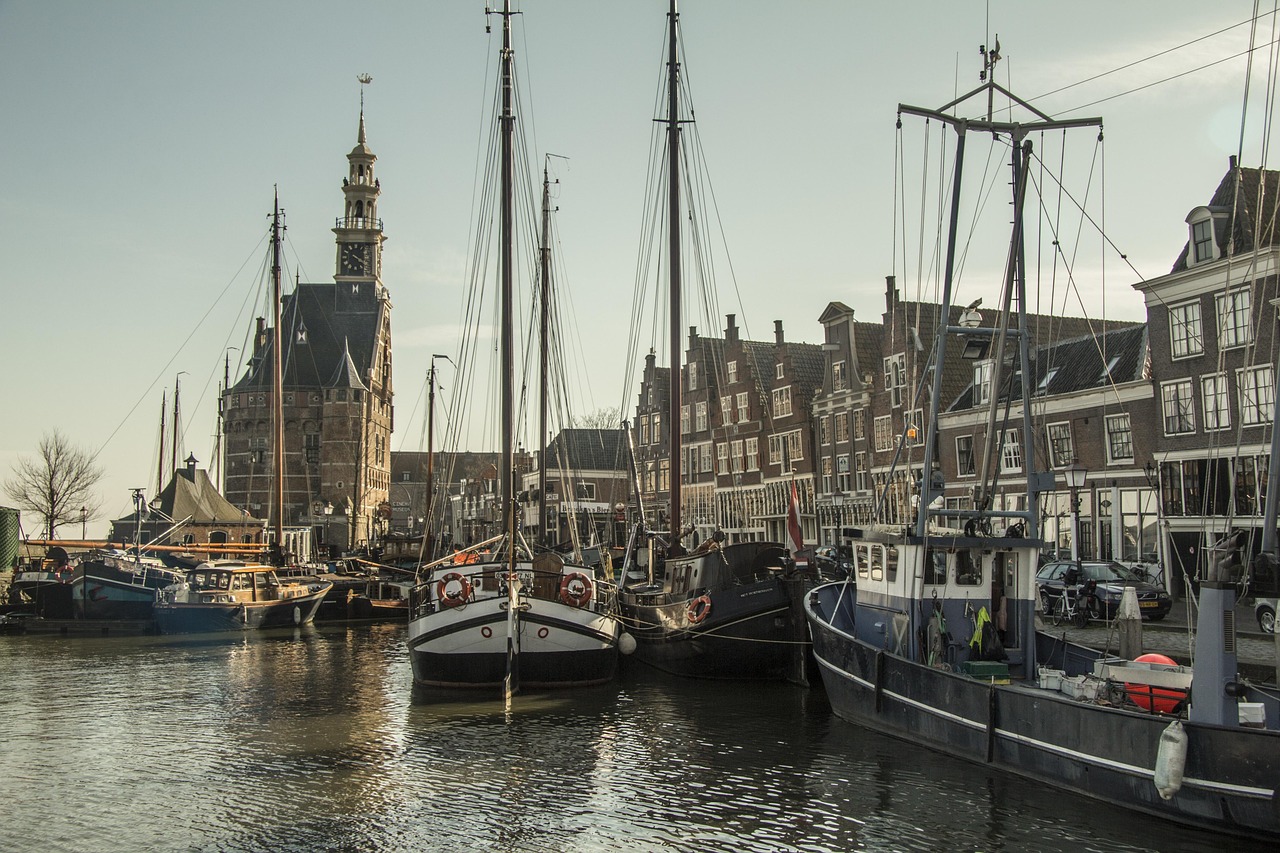
Porto Covo is a small village on Portugal's Alentejo coast, about two hours south of Lisbon. It's not on the way to anywhere, which is precisely why it's stayed the way it is. The village sits on a low cliff above a bay dotted with jagged rock formations, and the main square is so small you can cross it in thirty seconds. There's a church, a handful of restaurants, and a few streets of whitewashed houses with blue trim. That's it.
The Alentejo coast is known for its wild, unspoiled beaches, and Porto Covo is a good base for exploring them. The sand here is fine and pale, the water is cold and clear, and the wind never really stops. It's not the Algarve. There are no resorts, no water parks, no English breakfasts. What you get instead is a kind of raw, Atlantic beauty that feels increasingly rare in southern Europe.
Beaches and Coastal Walks
Praia de Porto Covo, the main beach, is a short walk from the village center. It's sheltered by rocks and has a couple of beach bars that operate in summer. If you walk north along the cliff path, you'll reach Praia dos Buizinhos, a smaller, quieter beach named after the tiny shells that wash up there. Further on is Praia do Salto, which is backed by dunes and almost always empty.
The Rota Vicentina, a long-distance walking trail that runs down the Alentejo coast, passes through Porto Covo. You can walk a section of it in either direction, and the scenery is dramatic: sheer cliffs, hidden coves, and fields of wildflowers in spring. The trail is well-marked and easy to follow, even if you're not an experienced hiker.
Eating and Staying
Seafood is the thing here. The restaurants around the main square serve grilled fish, octopus salad, and caldeirada, a traditional fish stew. Prices are reasonable, especially compared to Lisbon or the Algarve. Look for the daily specials, which are usually whatever came off the boats that morning. In the evening, the square fills up with locals and a few visitors, and the atmosphere is relaxed and unhurried.
Accommodation is mostly small guesthouses and a couple of boutique hotels in restored buildings. The best ones are within walking distance of the beach, and many have terraces with views of the ocean. Book ahead in summer, but don't expect crowds. Even in August, Porto Covo feels quiet compared to other coastal towns in Portugal.
What makes Porto Covo special isn't any single attraction. It's the pace. Days here are shaped by the tide and the wind, not by opening hours or reservations. You walk, you swim, you eat, you watch the sunset. Repeat. After a few days, you start to understand why the fishermen who live here have never felt the need to leave.


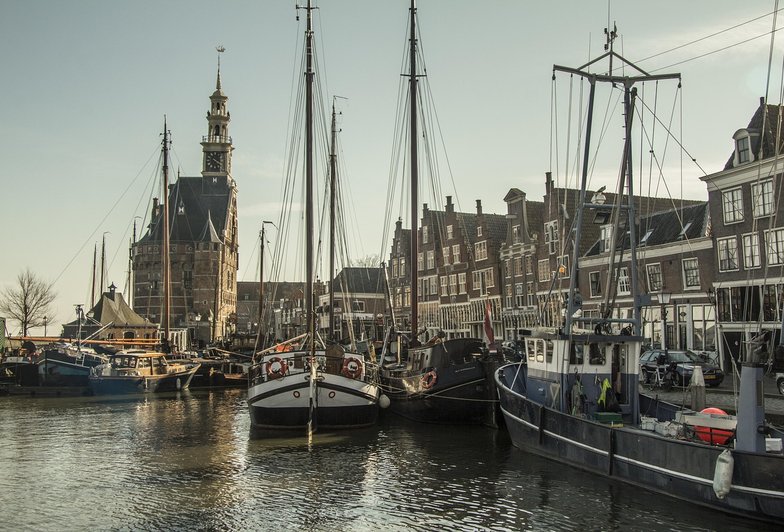
A windswept stretch of Portuguese coast where fishermen still mend nets by hand and the beaches are empty even in August.
A stone-built village in the mountains of western Spain where traditional music is still passed down through generations.
A remote Moroccan town where palm groves and ancient irrigation channels sustain life at the edge of the Sahara.
A small island off the Ecuadorian coast where seabirds outnumber people and the hiking trails lead to empty beaches.
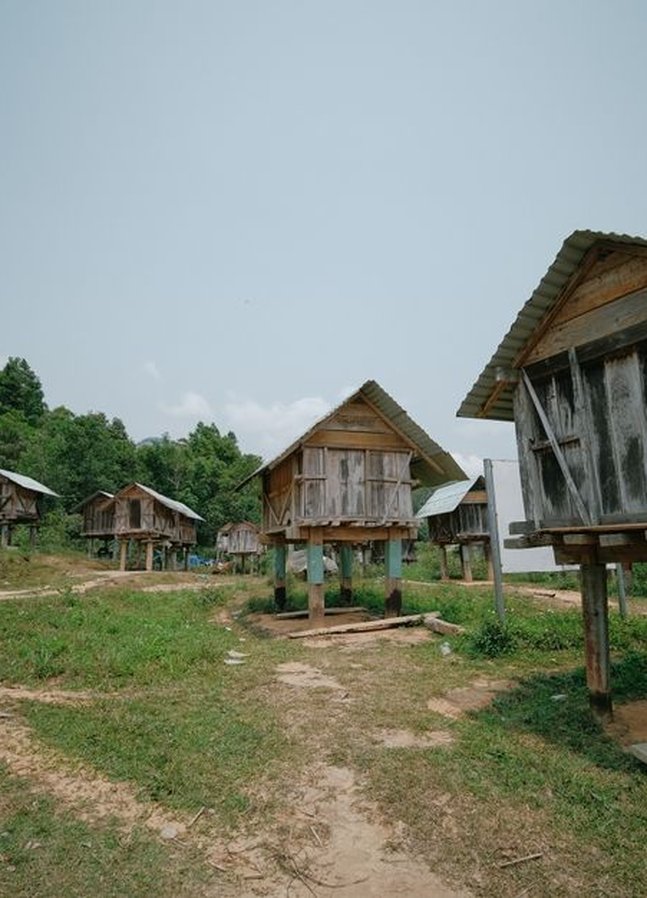
Deep in the Kelabit Highlands of Malaysian Borneo, a tiny village keeps a quiet tradition of painting every front door a different color.