

The Desert Town Built on an Oasis: A Micro-Guide to Figuig, Morocco
Figuig is about as far east as you can go in Morocco before hitting Algeria. It's a small town, really a collection of seven fortified villages called ksour, spread across an oasis of palm groves and gardens. The town has been here for centuries, sustained by a network of underground irrigation channels called khettara that bring water down from the mountains. It's a remarkable feat of engineering, and it's still in use today.
Getting to Figuig takes effort. The nearest major city is Oujda, about three hours away by road. There's no airport, no train station, and only a couple of buses a day. That isolation is part of what makes Figuig special. Few tourists make it here, and those who do are rewarded with a place that feels genuinely untouched by the modern travel industry.
Exploring the Oasis and the Ksour
The heart of Figuig is the oasis itself, a green ribbon of palm trees, fig trees, and vegetable gardens that stretches for several kilometers. Walking through the groves is the best way to understand how the town works. The khettara channels run beneath your feet, and farmers still use them to irrigate their plots. It's a system that requires cooperation and careful management, and it's been that way for generations.
Each of the seven ksour has its own character. Zenaga, the largest, has a busy market and a few small hotels. El Oudaghir is quieter, with narrow alleys and old mud-brick houses. The ksour are connected by paths that wind through the oasis, and you can easily spend a day wandering from one to the next. The views from the hills above town are spectacular, especially at sunset when the desert turns pink and gold.
Where to Stay and What to Eat
Accommodation in Figuig is simple. There are a few small guesthouses and a couple of basic hotels, mostly in Zenaga. Don't expect luxury. Do expect clean rooms, cold water, and warm hospitality. The owners will likely invite you for tea and tell you stories about the town.
Food is traditional and hearty. Tagines, couscous, and harira soup are staples, along with dates and figs from the oasis. There are a few restaurants in the main square, but the best meals are often found in people's homes or at the small stalls near the market. Try the local bread, baked in communal ovens, and the mint tea, which is sweet and served in small glasses.
Figuig is not a place for everyone. It's hot, remote, and lacks the comforts of more popular Moroccan destinations. But if you're looking for a place that feels real, a place where life revolves around the oasis and the seasons rather than the tourist calendar, it's worth the journey. Just go with an open mind and a willingness to slow down.

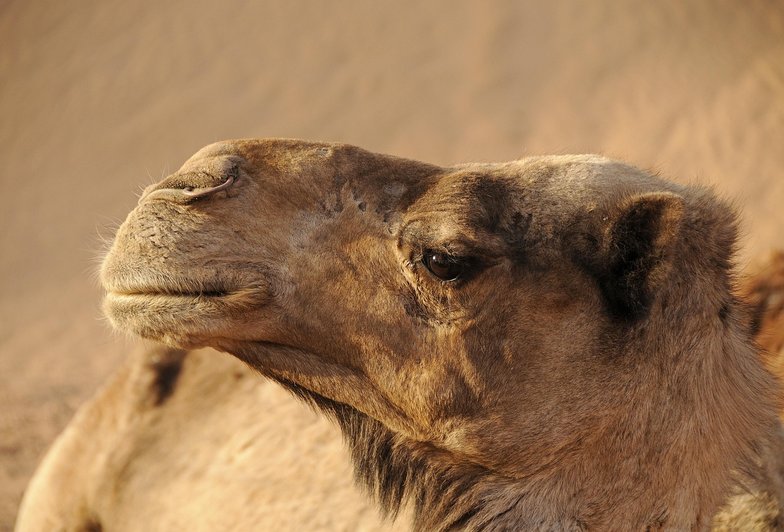
A remote Moroccan town where palm groves and ancient irrigation channels sustain life at the edge of the Sahara.
A small island off the Ecuadorian coast where seabirds outnumber people and the hiking trails lead to empty beaches.
Deep in the Kelabit Highlands of Malaysian Borneo, a tiny village keeps a quiet tradition of painting every front door a different color.
In the Caucasus highlands of Georgia, medieval stone towers still stand watch over villages that see more snow than tourists.
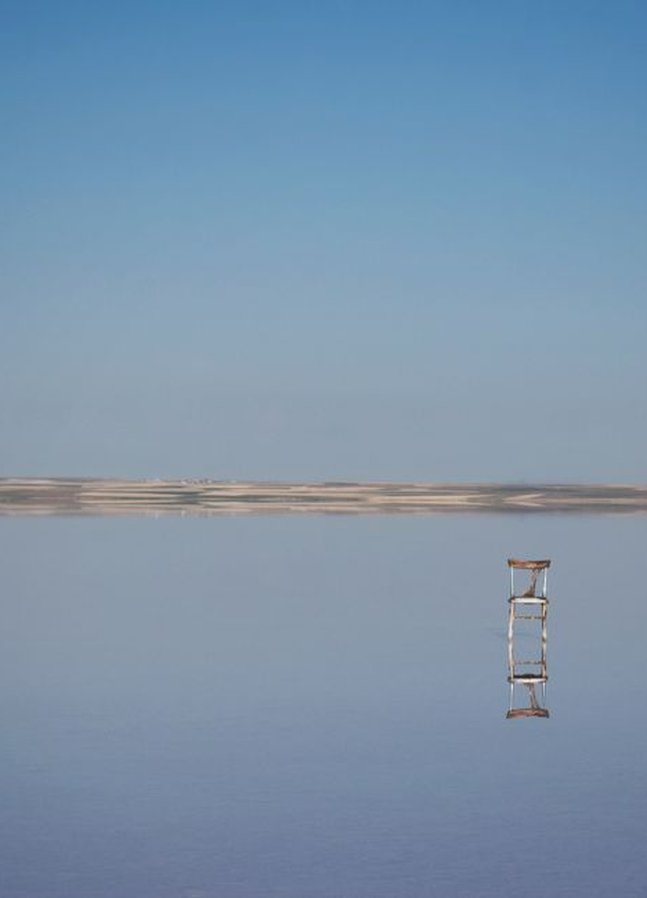
Bolivia's Salar de Uyuni gets the crowds, but a smaller salt flat in the high Andes offers the same mirror effect with a fraction of the visitors.