
The Island of Forgotten Lighthouses: A Micro-Guide to Isla de la Plata, Ecuador
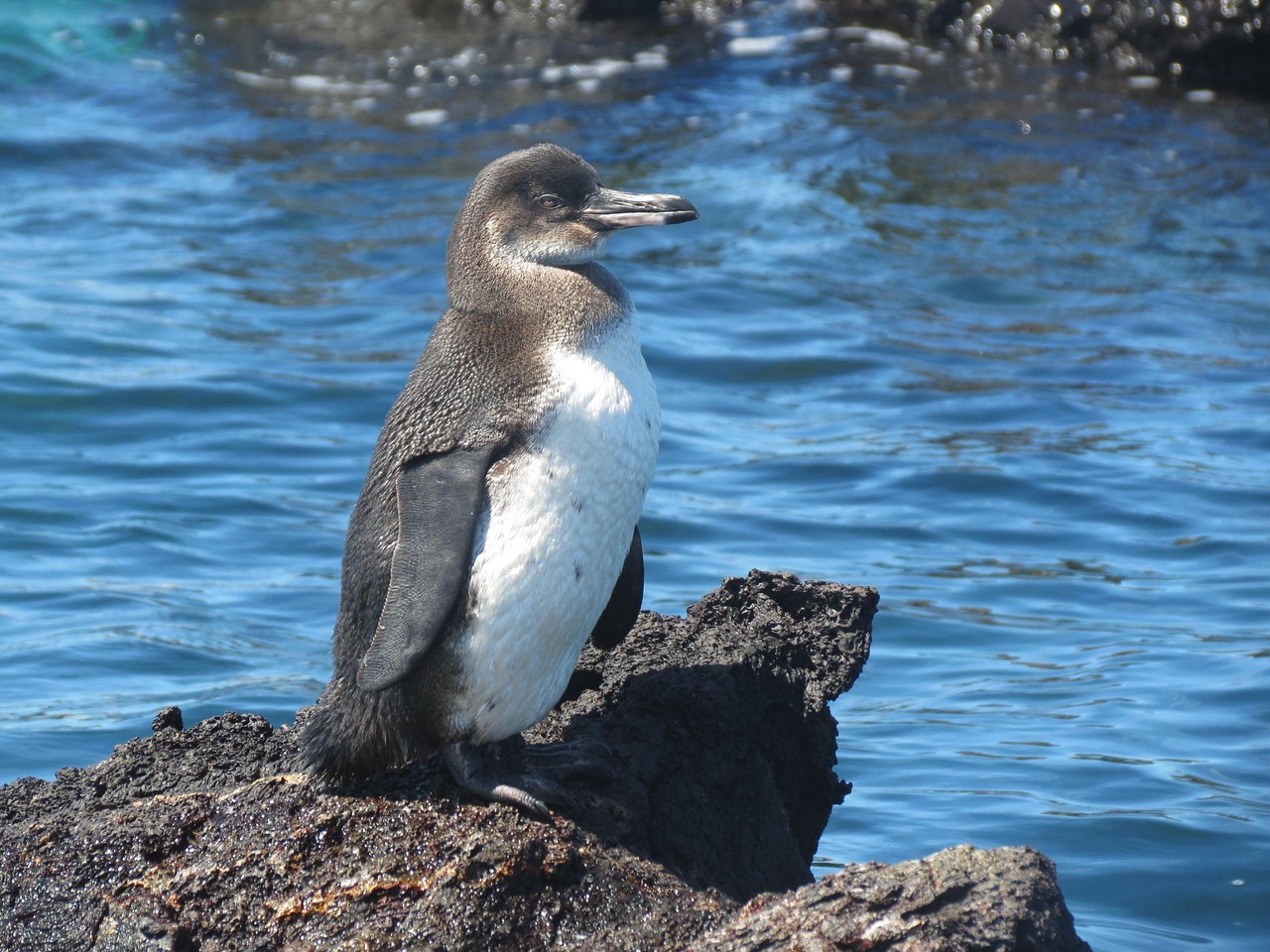
Isla de la Plata sits about 40 kilometers off the coast of Ecuador, near the town of Puerto López. It's often called the "Poor Man's Galápagos" because it offers a similar wildlife experience at a fraction of the cost. That nickname is a bit unfair. The island has its own character, and while it doesn't have giant tortoises or marine iguanas, it does have thousands of blue-footed boobies, frigatebirds, and albatrosses, plus a couple of beautiful, empty beaches.
The island is uninhabited, which is part of its appeal. There are no hotels, no restaurants, and no permanent settlements. Visitors come on day trips from Puerto López, and the boats usually arrive in the morning and leave in the afternoon. That means you get a few hours to explore, and if you're lucky, you'll have the trails mostly to yourself.
Hiking and Wildlife
There are two main hiking trails on the island. The longer one, the Punta Machete trail, takes you up to the highest point on the island, about 120 meters above sea level, and then down to a cliffside viewpoint where you can see nesting frigatebirds and boobies. The shorter trail, the Punta Santa Elena trail, loops around the southern part of the island and ends at a small beach where sea lions sometimes rest.
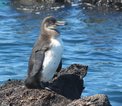
The wildlife is the main draw. Blue-footed boobies perform their famous courtship dance on the trails, seemingly unbothered by human observers. Frigatebirds soar overhead, their red throat pouches inflated during mating season. You'll also see lava lizards, crabs, and a variety of seabirds that use the island as a nesting site. Bring a camera and a telephoto lens if you have one, but keep your distance.
Getting There and Practical Tips
Day trips to Isla de la Plata leave from Puerto López, a small fishing town on the Ecuadorian coast. The boat ride takes about an hour and a half, depending on conditions. Most tours include snorkeling gear and lunch, and some include a stop at a nearby reef. The water can be rough, so if you're prone to seasickness, take precautions.
There are no facilities on the island, so bring water, sunscreen, and a hat. Wear sturdy shoes for the trails, which can be rocky and uneven. The sun is intense, and there's little shade. Also, be prepared for the possibility of rain, even in the dry season.
Puerto López itself is worth a day or two. It's a laid-back town with a good beach, fresh seafood, and a handful of hostels and guesthouses. It's also a good base for whale-watching trips during the migration season, which runs from June to September. But the island is the real reason to come. It's a place where nature is in charge, and that's exactly as it should be.


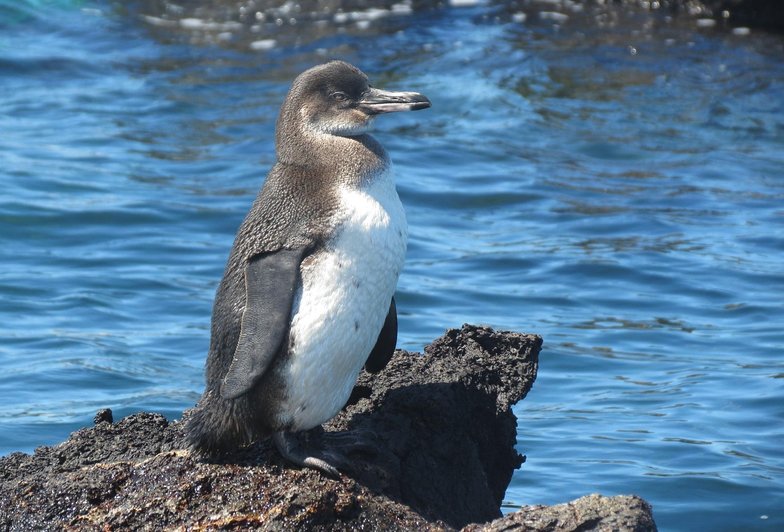
A small island off the Ecuadorian coast where seabirds outnumber people and the hiking trails lead to empty beaches.
Deep in the Kelabit Highlands of Malaysian Borneo, a tiny village keeps a quiet tradition of painting every front door a different color.
In the Caucasus highlands of Georgia, medieval stone towers still stand watch over villages that see more snow than tourists.
Bolivia's Salar de Uyuni gets the crowds, but a smaller salt flat in the high Andes offers the same mirror effect with a fraction of the visitors.
Off the Kenyan coast, a small island with no roads, no cars, and no hurry offers a slower version of the Swahili coast.