
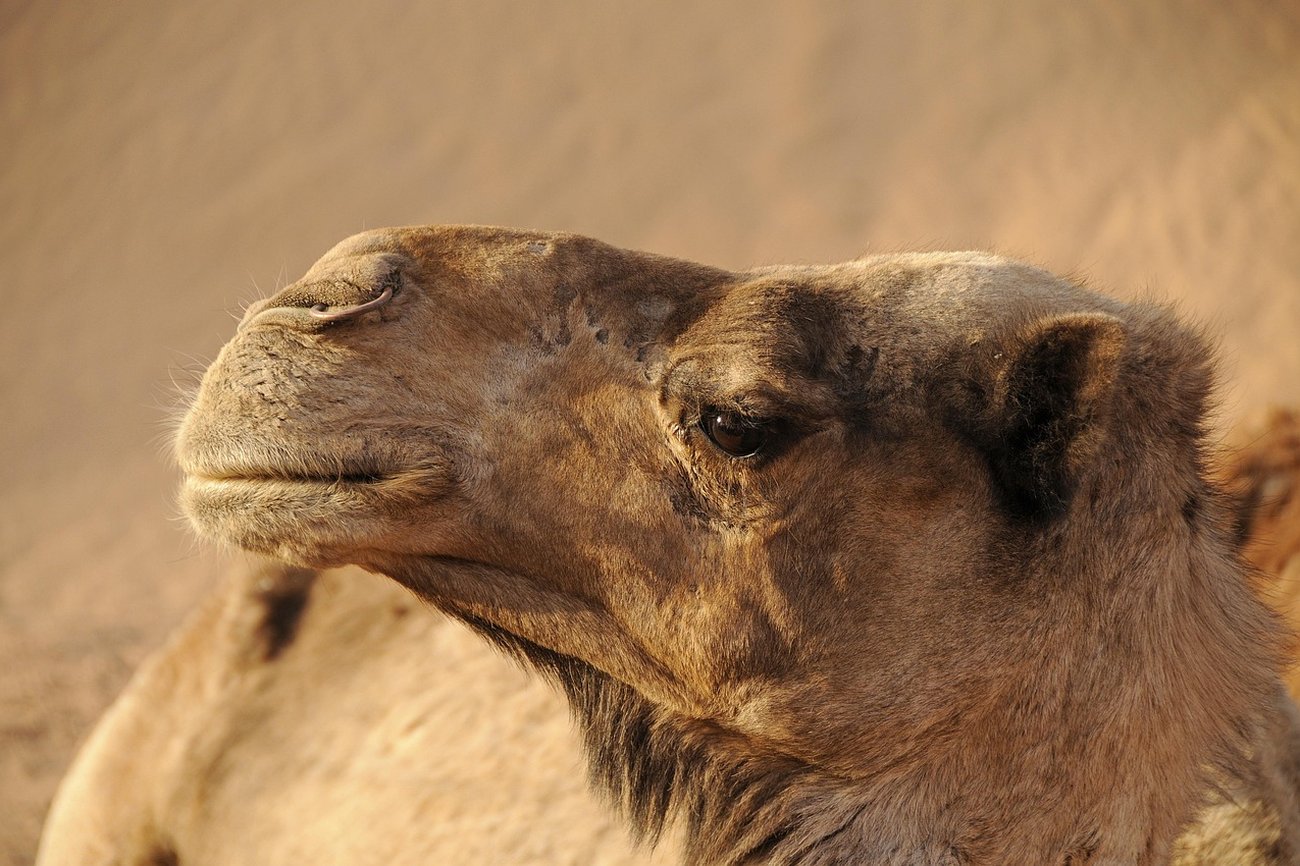

The Island With No Cars: A Micro-Guide to Lamu's Quieter Neighbor
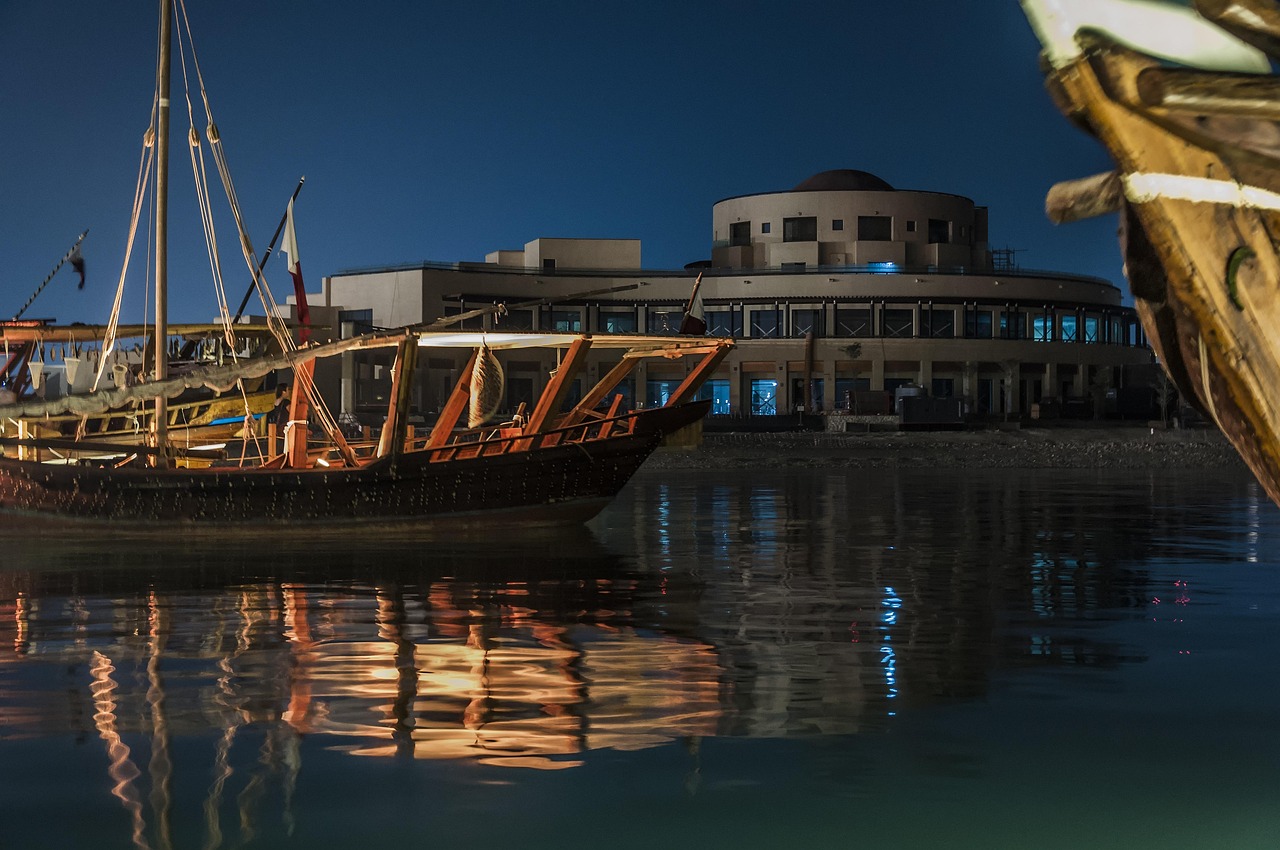
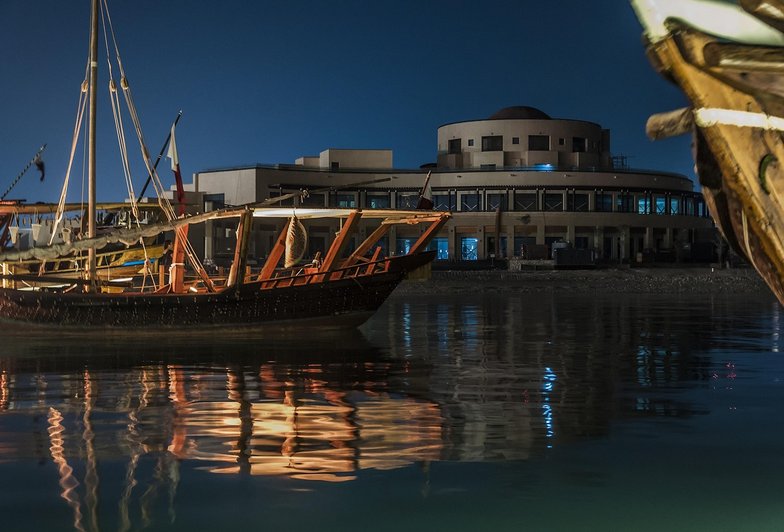
Lamu is famous — a UNESCO World Heritage town of coral stone, carved doors, and donkeys instead of cars. But a short dhow ride away, there's a smaller island that gets a fraction of the attention and feels like a step further back in time. There are no roads here at all. No vehicles of any kind. You walk, or you take a boat, and that's it.
The island is mostly mangrove, sand, and a handful of villages where fishing and weaving still set the rhythm of the day. The main settlement has a few guesthouses, a small mosque, and a beach that at low tide stretches so far out you can walk for half an hour and still be in ankle-deep water. At high tide, the same beach disappears entirely, and the boats come right up to the seawall.
Arriving and Finding Your Feet
From Lamu, you can arrange a dhow transfer — ask at your guesthouse or at the jetty, and expect to negotiate. The crossing takes under an hour in good conditions. Bring cash; there are no ATMs on the island and card machines are essentially nonexistent. The guesthouses are simple: cold-water showers, mosquito nets, and meals cooked by the family who runs the place. That's the whole appeal.
Days here organize themselves around the tide. Morning is for walking the flats and watching fishermen bring in their catch. Midday is for shade, a book, and a glass of fresh lime juice. Late afternoon is for swimming before the tide turns. Evening is for grilled fish, rice, and conversation on a rooftop as the call to prayer drifts across the water.
What to See and How to Behave
The island's mangrove channels are worth exploring by kayak or small boat — go with a local guide who knows the currents and can point out kingfishers, herons, and the occasional monitor lizard. The old Swahili ruins on the far side of the island are modest but atmospheric, especially in the late afternoon light. And the dhow-building yards on the neighboring shore are a living craft tradition worth a half-day visit.
This is a conservative Muslim community, and while visitors are genuinely welcome, dress modestly away from the beach — shoulders and knees covered, especially in the villages. Ask before photographing people, particularly women. Alcohol is not part of local life here; if you want a drink, save it for Lamu town. Follow those cues and you'll find a warmth and hospitality that's hard to find in more touristed corners of the coast. The island doesn't perform for visitors. It just lets you join in for a while.



Off the Kenyan coast, a small island with no roads, no cars, and no hurry offers a slower version of the Swahili coast.
In a small Saharan oasis town, a hand-built library of old manuscripts has become an unlikely reason to make the long journey.
Skip the pyramid crowds and wander the sleepy backstreets of a Mexican town built on layers of forgotten civilizations.
A windswept stretch of Portuguese coast where fishermen still mend nets by hand and the beaches are empty even in August.
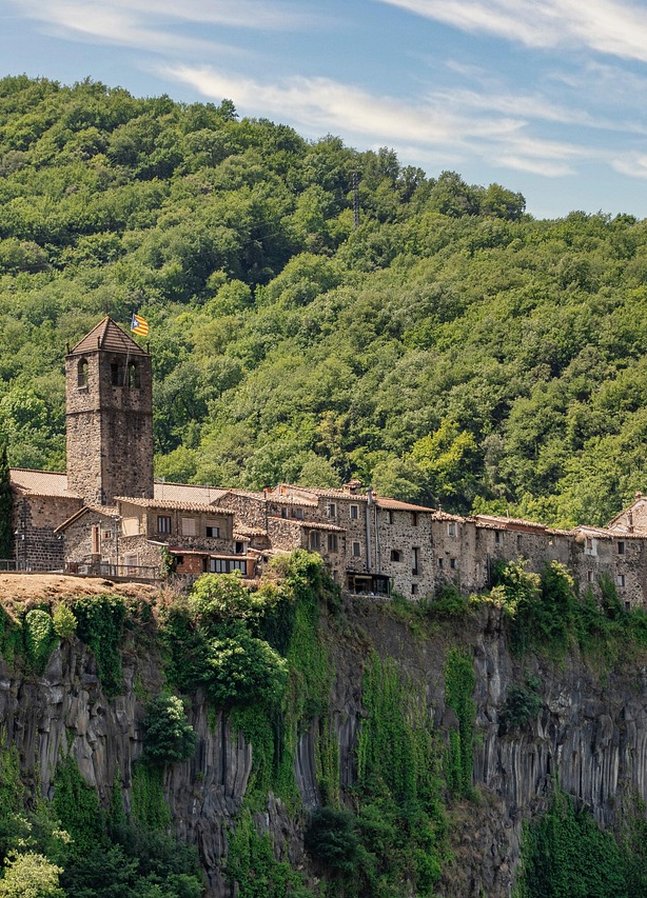
A stone-built village in the mountains of western Spain where traditional music is still passed down through generations.