



The Library in the Desert: A Micro-Guide to a Tiny Saharan Town
The bus from the nearest city takes most of a day, crossing a landscape that goes from scrub to gravel to sand and then, suddenly, to a town of mud-brick walls and date palms clustered around a spring. This is one of those places that exists because water exists, and it has existed for a very long time. What makes it worth the journey now, for a certain kind of traveler, is a small library.
It started with one family's collection of old manuscripts — religious texts, legal documents, letters, astronomical tables — passed down through generations and stored in wooden chests. At some point, a descendant decided to build a proper room for them, then a second room, and then to invite scholars and curious visitors to come and read. The result is a modest building with thick walls, cool even in midsummer, where you can sit at a low table and look at paper that is hundreds of years old.
The Journey and the Town
Getting here is part of the experience. Shared taxis, occasional buses, and long stretches of empty road are the norm. There's no train, no airport nearby, and no easy way to do this as a day trip. Plan to stay at least two nights — one to recover from the journey, one to actually see the place. Guesthouses are simple and family-run; meals are usually included, and dinner is often a communal affair with couscous, vegetables, and tea poured from a height in the traditional way.
The town itself is small enough to walk end to end in twenty minutes. The palm groves are the green heart of it, irrigated by a network of channels that have been maintained for centuries. Walk them in the early morning when the light is soft and the birds are loud. The old quarter has a handful of carved doors and a mosque with a mud-brick minaret that predates most of what you'll see elsewhere in the region.
The Library and the Desert Beyond
The library is best visited in the morning, when the caretaker is there and the light through the small windows is gentle. Ask before touching anything, and don't expect a formal tour — the pleasure here is in the slowness, in being handed a manuscript and left to look at it while the caretaker goes back to his tea. If you read Arabic, you'll get more out of it, but even without the language, the objects themselves are extraordinary.
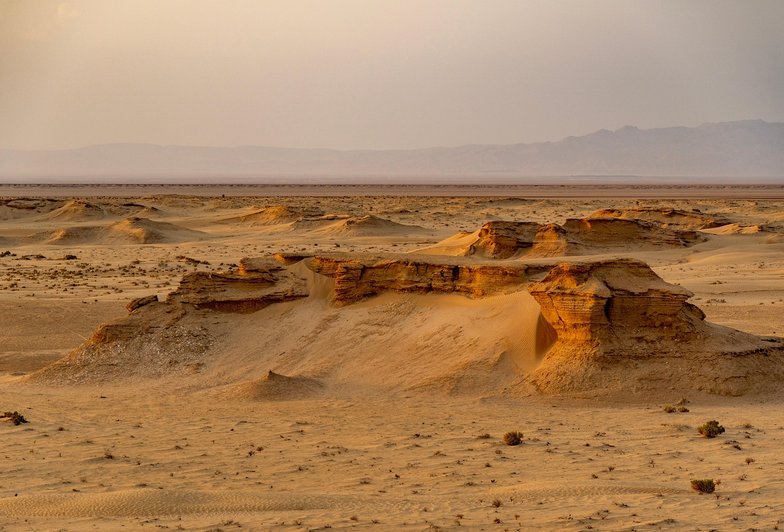
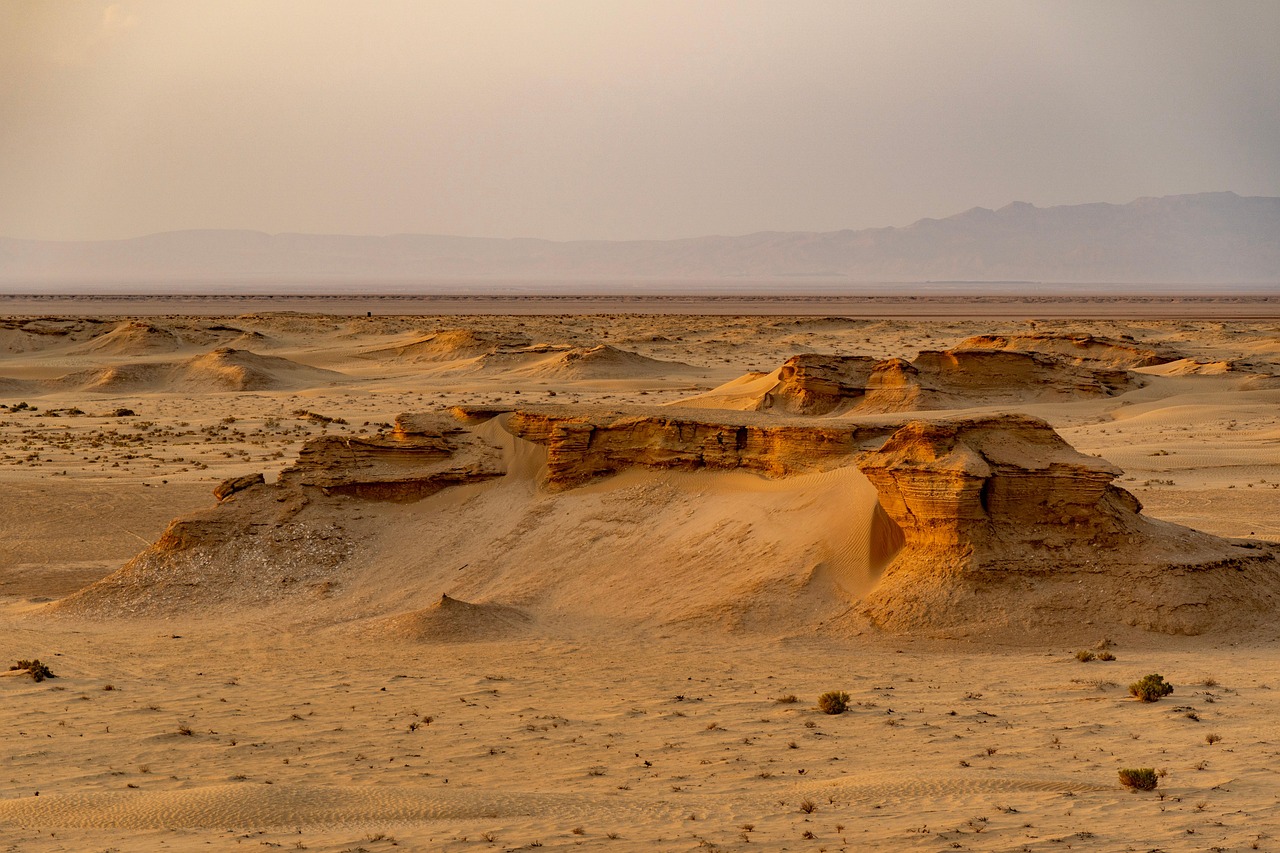
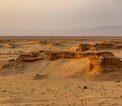
Beyond the town, the desert opens up. A local guide can take you to the dunes for sunset, or to the ruins of a older settlement a few hours' drive away. Go with someone who knows the routes; this is not a place to wander off on your own. Bring a scarf for the wind, plenty of water, and a willingness to sit still. The desert doesn't reward hurry, and neither does the library. That's the whole point.



In a small Saharan oasis town, a hand-built library of old manuscripts has become an unlikely reason to make the long journey.
Skip the pyramid crowds and wander the sleepy backstreets of a Mexican town built on layers of forgotten civilizations.
A windswept stretch of Portuguese coast where fishermen still mend nets by hand and the beaches are empty even in August.
A stone-built village in the mountains of western Spain where traditional music is still passed down through generations.
A remote Moroccan town where palm groves and ancient irrigation channels sustain life at the edge of the Sahara.