


The Town Beneath the Volcano's Shadow: A Micro-Guide to Cholula's Quiet Streets
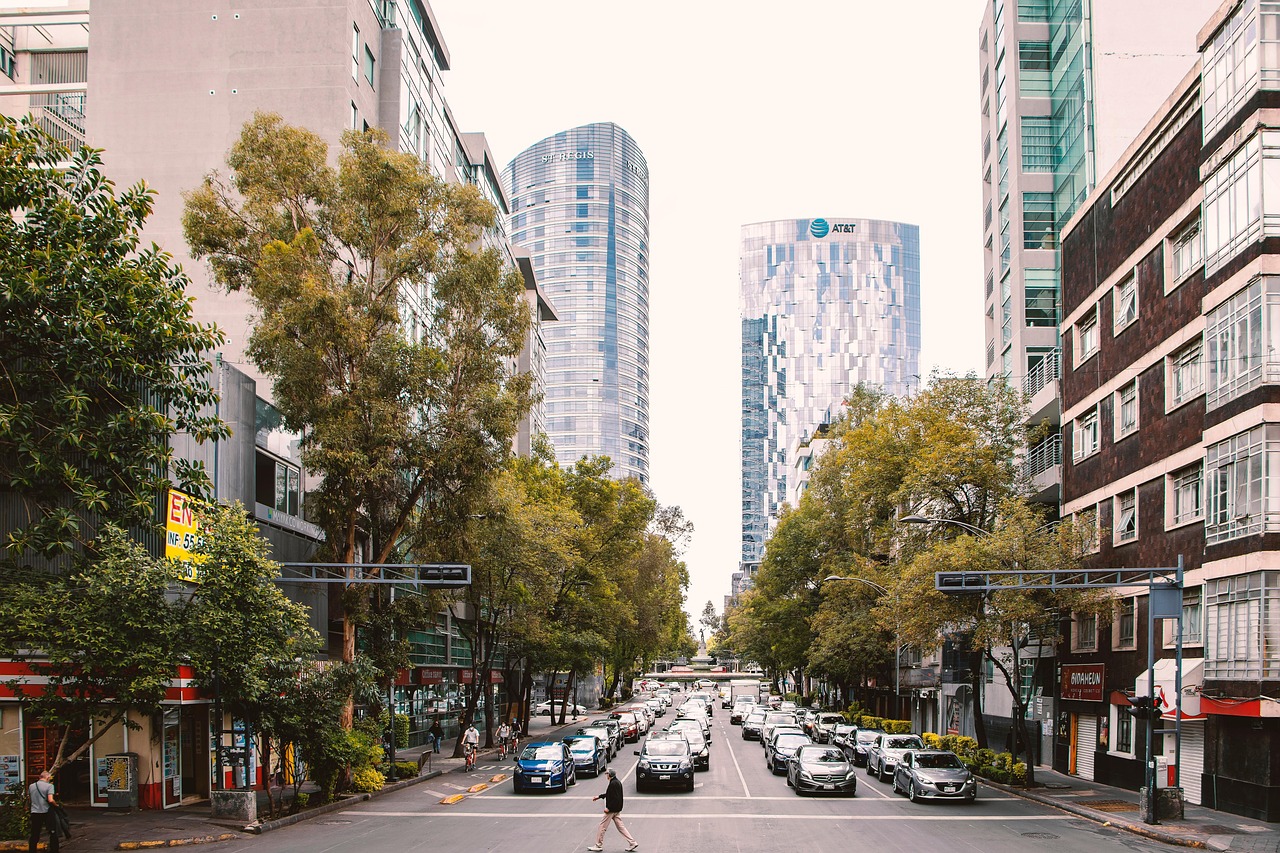
Most travelers pass through Cholula on their way to Puebla, snapping a photo of the massive pyramid-topped hill and moving on. That's a mistake. The real Cholula isn't the archaeological site or the tourist strip of bars near the university. It's the residential grid south of the zócalo, where laundry lines cross narrow sidewalks and old men play dominoes under jacaranda trees that bloom electric purple in spring.
The town sits in the shadow of the Great Pyramid of Cholula, which is technically the largest pyramid by volume in the world, though it looks more like a grassy hill with a yellow church perched on top. Locals will tell you the pyramid was here long before the Spanish arrived, and the church was built on top to make a point. That tension between old and new runs through everything here, from the colonial facades hiding pre-Hispanic stonework to the street vendors selling both tamales and tacos árabes.
What to See Beyond the Pyramid
Start your morning at the Mercado Cosme del Razo, a sprawling market where you can buy a cup of café de olla for a few pesos and watch vendors arrange pyramids of fruit. The market is loud, chaotic, and completely unpretentious. From there, walk north toward the Barrio de San Pedro, a neighborhood of cobblestone streets and brightly painted houses that feels miles away from the tourist circuit.
The Capilla Real, a rare example of Moorish-influenced colonial architecture, sits just off the main square. It's often empty, which makes it a good place to sit and cool off in the afternoon. If you're interested in the town's layered history, the Museo de Sitio at the pyramid has a small but well-curated collection of artifacts and a tunnel that lets you walk inside the structure itself. It's eerie and quiet, and you'll likely have it mostly to yourself on a weekday.
Where to Eat and Sleep
Cholula is a university town, so the food scene leans cheap and excellent. Look for tlayudas, a Oaxacan-style flatbread topped with beans, cheese, and whatever meat you like, sold from street carts in the evening. For something sit-down, try the family-run restaurants near the zócalo that serve mole poblano and chiles en nogada without the white-tablecloth prices of Puebla.
Accommodation is mostly small guesthouses and hostels. The best ones are in the Barrio de Santiago, a quiet neighborhood within walking distance of both the pyramid and the center. You won't find luxury resorts here, and that's part of the appeal. Nights are cool, the air smells like woodsmoke, and the only sounds are church bells and the occasional dog barking.
Cholula isn't a place that tries to impress you. It's a working town that happens to be sitting on top of one of the most significant archaeological sites in the Americas. Spend a few days here, and you'll start to notice the small details: the way the light hits the tiled domes at sunset, the old women selling flowers outside the church, the kids playing soccer in the plaza until dark. That's the Cholula worth knowing.



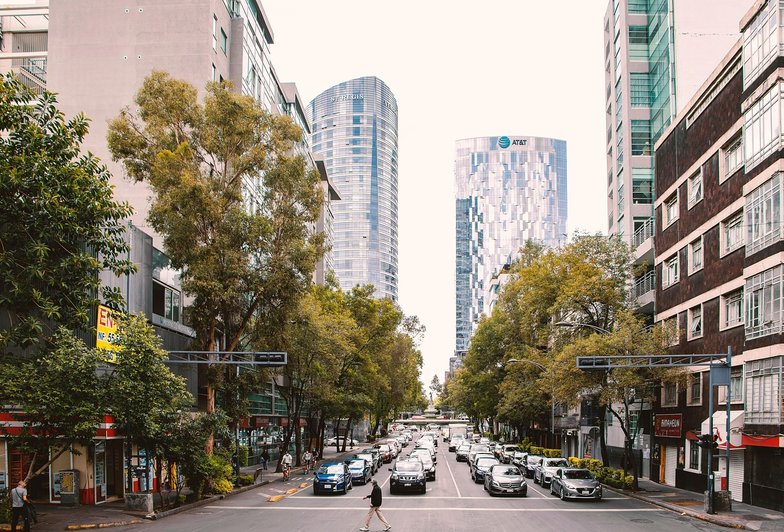
Skip the pyramid crowds and wander the sleepy backstreets of a Mexican town built on layers of forgotten civilizations.
A windswept stretch of Portuguese coast where fishermen still mend nets by hand and the beaches are empty even in August.
A stone-built village in the mountains of western Spain where traditional music is still passed down through generations.
A remote Moroccan town where palm groves and ancient irrigation channels sustain life at the edge of the Sahara.
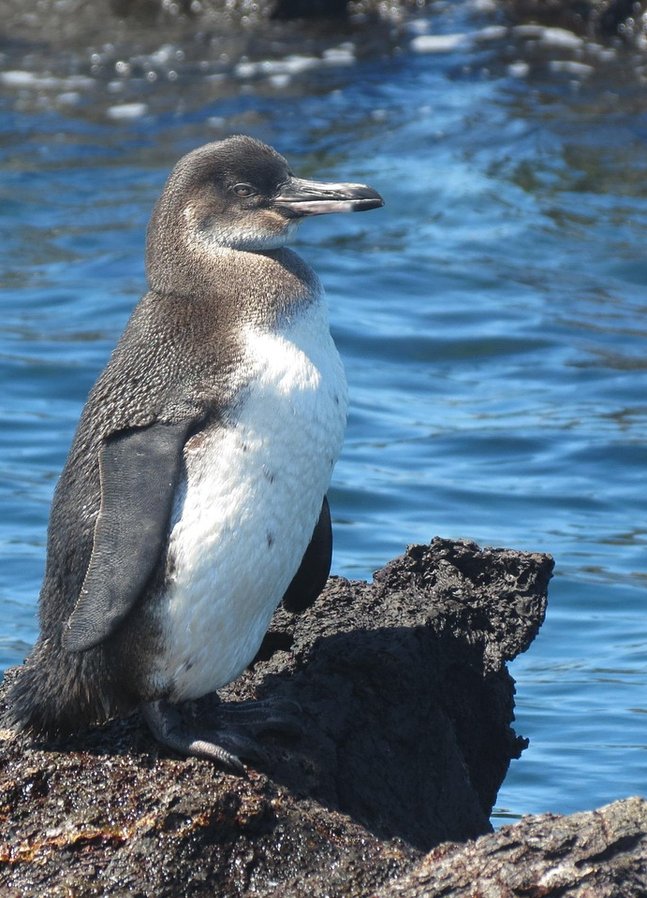
A small island off the Ecuadorian coast where seabirds outnumber people and the hiking trails lead to empty beaches.