


The Salt Flats Nobody Talks About: A Micro-Guide to Salar de Uyuni's Quiet Cousin
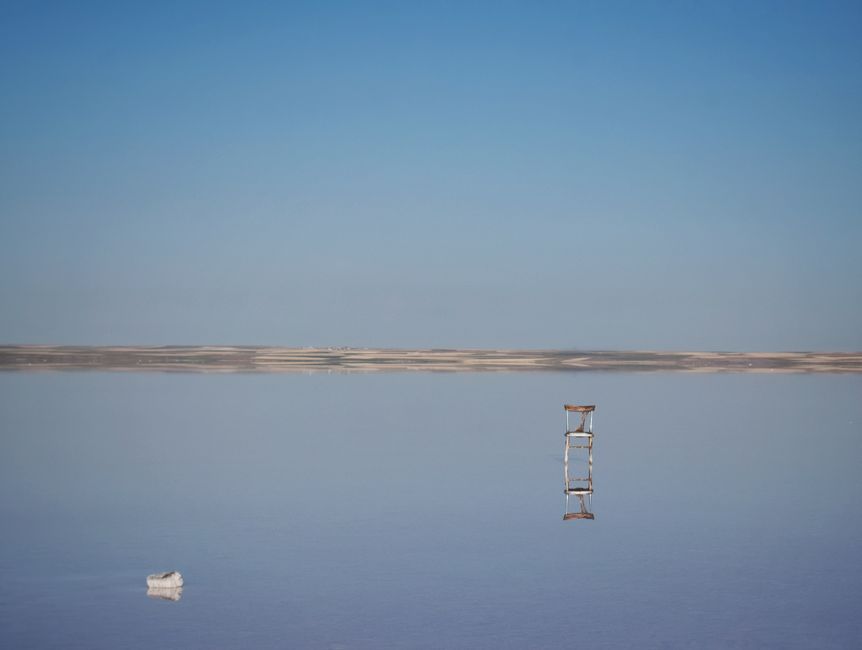
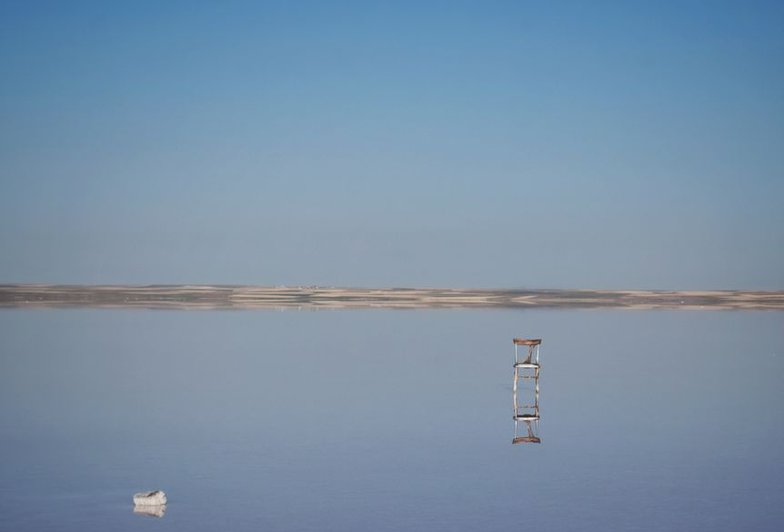
Everyone has seen the photos: a vast white plain turned into a perfect mirror after rain, people posing as if walking on clouds. That's Salar de Uyuni, and it deserves its reputation. But there's another salt flat in the Bolivian altiplano — smaller, harder to reach, and almost empty of tourists — where you can get the same surreal reflection without elbowing anyone for the shot.
I'm not going to name it precisely here, partly because the communities around it have asked visitors to keep it low-key, and partly because the fun is in the hunt. What I will say: it sits above 3,600 meters, it's reachable by a combination of bus, shared 4x4, and a long walk, and the nearest town has one guesthouse, one restaurant, and a church that rings its bell at odd hours.
Getting There Without a Tour
Most travelers reach Bolivia's salt flats via Uyuni town, which is easy but crowded. The quieter route involves heading to a smaller altiplano town and asking around for a driver who's making the trip anyway — often a local bringing supplies or students to a neighboring village. This is not a formal arrangement. There's no booking platform. You show up, you ask, you wait, and eventually someone says yes. Bring patience and small bills.
Once you're on the flat itself, the experience is elemental: white ground, huge sky, and silence so complete you can hear your own heartbeat. At night, if you camp (with permission and a guide who knows the area), the stars are absurd — the Milky Way so bright it casts shadows. Bring a headlamp with a red filter to preserve your night vision, and more water than you think you need. Altitude sickness is real here; acclimatize in La Paz or Potosí for a few days first.
Respecting the Place and Its People
The communities around these flats are small and have seen a slow trickle of visitors turn into a stream in recent years. Pack out everything you bring in — there is no waste collection out here, and salt flats are fragile in ways that aren't obvious. Don't drive vehicles onto wet salt; the tracks last for years. Ask before photographing people, and if someone offers to show you the salt harvest or a fossil site, pay them fairly for their time.
The reward for all this caution is a landscape that feels genuinely otherworldly, and a trip that feels less like tourism and more like a brief visit to somewhere that doesn't quite belong to this planet. Go quietly, go slowly, and leave it as you found it.


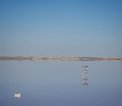
Bolivia's Salar de Uyuni gets the crowds, but a smaller salt flat in the high Andes offers the same mirror effect with a fraction of the visitors.
Off the Kenyan coast, a small island with no roads, no cars, and no hurry offers a slower version of the Swahili coast.
In a small Saharan oasis town, a hand-built library of old manuscripts has become an unlikely reason to make the long journey.
Skip the pyramid crowds and wander the sleepy backstreets of a Mexican town built on layers of forgotten civilizations.
A windswept stretch of Portuguese coast where fishermen still mend nets by hand and the beaches are empty even in August.